


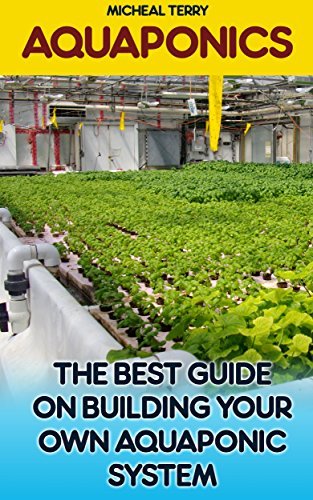
Building Your Own Aquaponic System: A Guide for Gardeners on a Budget
Dreaming of fresh, homegrown produce without breaking the bank? Aquaponics, the symbiotic marriage of aquaculture (raising fish) and hydroponics (growing plants without soil), offers a sustainable and surprisingly affordable path to achieving this. This guide walks you through constructing your own aquaponic system, focusing on budget-friendly solutions and readily available materials. Forget expensive, pre-fabricated kits; you can build a thriving system with items you may already own or can find inexpensively at secondhand stores and recycling centers.
Choosing Your System Design: Simplicity is Key
For beginners on a budget, a media bed system offers the simplest and most forgiving entry point into aquaponics. This design utilizes a grow bed filled with gravel or other inert media where plant roots grow. The fish tank’s water is pumped into this bed, providing nutrients, and then drains back into the tank. Avoid overly complex designs initially; focus on a manageable scale that allows you to learn and troubleshoot effectively. You'll build confidence and skills to tackle more advanced systems later. A small-scale system, even a single 55-gallon barrel system, can provide a rewarding harvest!
Gathering Your Materials: Repurposing and Recycling
The beauty of building a budget aquaponic system lies in its potential for resourcefulness. Instead of buying new materials, explore what you already have or can find affordably secondhand. Your system’s foundation can be constructed from repurposed items.
The Fish Tank:
Consider these options:
- A used plastic storage bin (ensure it's food-grade).
- A large, cleaned garbage can (check for leaks!).
- An old aquarium (a great option if you can find one in good condition).
Avoid using metal containers unless they are specifically designed for aquaculture, as they can leach harmful substances into the water.
The Grow Bed:
You can easily create a grow bed with:
- A large plastic storage tote.
- A repurposed wooden planter box (ensure it's treated for outdoor use and waterproofed).
- Even a large, clean plastic tub works well.
Remember to drill drainage holes for water circulation.
Other Essential Components:
Acquire these necessary items, even if it means shopping at a secondhand store or seeking donations from friends and family:
- An air pump (essential for oxygenating the fish tank).
- An aquarium water pump (size appropriate for your system).
- A submersible pump is often the most affordable option.
- Gravel, lava rock, or clay pebbles for the grow bed (consider the cost-effectiveness of using recycled material).
- Tubing to connect the pump, the fish tank, and the grow bed (flexible vinyl tubing is readily available).
- Your chosen plants (easy-to-grow vegetables like lettuce, herbs, or spinach are a great start).
- Fish (start with a small number of hardy fish like tilapia or goldfish, which are often cheaper to acquire).
Construction and Setup: A Step-by-Step Guide
Once you’ve gathered your materials, follow these steps to assemble your system. First, thoroughly clean all containers to remove any contaminants. Next, drill holes in your grow bed for drainage and ensure your chosen media is appropriately sized. Install your pump and tubing, ensuring a smooth water flow from the fish tank to the grow bed and back again. Place your media in the grow bed and plant your chosen seedlings. Finally, carefully introduce your fish to their new home. Remember to monitor water parameters closely (pH, ammonia, nitrite, nitrate) throughout the process and adjust as needed. Regular water testing kits are relatively inexpensive and crucial for the health of both your fish and plants.
Maintenance and Ongoing Care: The Rewards of Patience
While aquaponics offers a relatively low-maintenance gardening approach compared to traditional methods, regular monitoring is essential. Regular water changes will be necessary, as will occasional cleaning of the grow bed. Observe your plants and fish closely, adjusting parameters as needed. The initial investment of time and effort will be rewarded with a sustainable, fulfilling, and delicious harvest of homegrown produce.
Building your own aquaponic system isn’t just about saving money; it’s about engaging in a rewarding and sustainable way of growing food. With creativity, resourcefulness, and a touch of patience, you can enjoy the bounty of your very own aquaponic garden, even on a budget.


No comments:
Post a Comment
Note: Only a member of this blog may post a comment.